
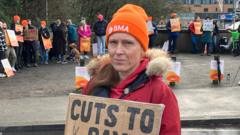
A significant strike by resident doctors has raised concerns about the future of the NHS, with one paediatrician warning that the health service could "end up without doctors" if disputes over pay and training persist. This latest action, which began on April 7, 2026, marks the 15th strike organized by the British Medical Association (BMA) since strikes commenced in 2023, according to BBC Lincolnshire.
Dr. Melissa Ryan, a paediatric registrar based at Lincoln County Hospital, joined her colleagues on the picket line outside Queen's Medical Centre in Nottingham. She expressed her frustration over the government’s decision to cut training places, which has led to lengthy wait times for children needing assessments.
Health Secretary Wes Streeting responded to the strike by stating that the doctors' expectations were "unreasonable and unrealistic," noting that the ongoing dispute has already cost the NHS an estimated £3 billion. Despite recent pay rises totaling 33% over the past four years, the BMA contends that doctors are effectively earning 20% less than they did in 2008 when adjusted for inflation.
Dr. Ryan voiced her concerns about the future workforce, stating, "We've got young doctors coming through and then they're worried about finding a job. If we continue this way, we are going to end up with an NHS without doctors." She emphasized her disappointment at having to strike, saying, "To be perfectly honest, I don't want to be on strike, I want to be at work."
The strike began early Tuesday morning and is expected to impact various hospital services. While NHS officials have assured that urgent and emergency care will continue as usual, many pre-planned treatments and appointments have been cancelled due to the lack of available doctors.
Dr. Becky Lavelle, speaking from the picket line outside Hull Royal Infirmary, echoed similar sentiments, highlighting that doctors have faced the worst pay erosion of any profession over the past 17 years. She stated, "Three billion pounds would have been enough to give us exactly what we wanted right at the start of this dispute."
The government had previously offered a package to address some of these issues, including an increase in training places, but this was withdrawn after the announcement of industrial action. Dr. Ryan pointed out the real-life consequences of the staffing crisis, saying, "I work with children and I see families who are waiting months, sometimes years, for appointments, to get assessments for kids. That's not because doctors don't care, it's because there's not enough of us."
As the strike continues, many in the community are left wondering about the future of healthcare services in Lincoln and the impact on patient care. The situation raises important questions about how the NHS can sustain its workforce and meet the growing demands of the public.
With these ongoing challenges, how do you think the community can support our healthcare professionals during this critical time?