Police in Lincolnshire are stepping up efforts to raise awareness about wildlife crime, particularly concerning the trade of endangered species. This initiative comes after a series of investigations revealed various offences linked to the exotic animal trade. According to Det Con Aaron Flint, the wildlife crime officer for Lincolnshire Police, many of these offences occur due to ignorance about the severity of the issue.
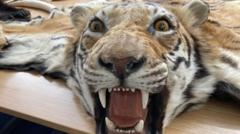
Items seized during these investigations have included a rhino horn valued at over a quarter of a million pounds, a tiger skin rug, and several boxes of ivory. The global trade in endangered species is estimated to generate a staggering £17 billion annually, as reported by Interpol. Flint emphasized that increased awareness could encourage residents to report suspected wildlife crimes, stating, "They don't know how serious it is and they don't know the damage it's doing to the populations of wild wolves, wild rhinos, wild tigers."
One notable case highlighted by Flint involved a juvenile tortoise named Gulliver. The tortoise was purchased by a woman from Boston at a market in Tunisia and was smuggled into the UK concealed within a cigarette packet. This case was prosecuted under the Control of Trade in Endangered Species (Enforcement) Regulations 2018 and the Customs and Excise Management Act 1979, resulting in a community resolution for the woman involved.
Flint's work also includes addressing cases where parts of deceased animals are offered for sale without the necessary documentation. For instance, he dealt with the illegal sale of the saw-like snout of a sawfish, warning that advertising endangered species for sale constitutes a criminal offence.
Among the items he has in custody are boxes of ivory from a case involving a Spalding man who was sentenced to jail for illegal ivory trading. Additionally, the tiger skin rug, which was turned over to police after an auction house sought verification for its sale, is now being used for educational purposes by the police. To sell such items legally, sellers must possess an Article 10 certificate or prove that the item was taxidermied before 1947.
As Lincolnshire Police continue their efforts to combat wildlife crime, they encourage the community to stay informed and vigilant. By understanding the implications of the exotic animal trade, residents can play a crucial role in protecting endangered species and their habitats.
This initiative raises important questions about the responsibilities of individuals in the wildlife trade. How can the community contribute to protecting endangered species in Lincolnshire?