Residents of Lincoln and North East Lincolnshire took to the polls recently to vote in local council elections, as reported by BBC Lincolnshire. This important civic duty saw voters heading out to elect new councillors, with a total of 11 seats available in the City of Lincoln Council and 15 seats in North East Lincolnshire Council.
In Lincoln, each of the 11 wards had one seat up for grabs, attracting a competitive field of 60 candidates. The political landscape was diverse, with major parties like the Conservatives, Greens, Labour, Liberal Democrats, and Reform UK fielding candidates in every ward. Additionally, some wards featured candidates from the Lincolnshire Independents and the Trade Union and Socialist Coalition (TUSC).
Meanwhile, in North East Lincolnshire, voters had the opportunity to choose from 15 wards, with one seat available in each. A total of 87 candidates were vying for election, with the Conservatives, Labour, and Reform UK again competing in every ward. The Greens, Liberal Democrats, TUSC, Social Democratic Party, National Housing Party, and independent candidates also participated in various wards, showcasing a rich tapestry of political options for voters.
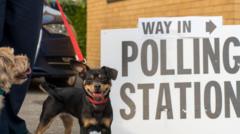
Polling stations opened their doors at 07:00 BST, welcoming residents until they closed at 22:00. This extended timeframe allowed ample opportunity for community members to make their voices heard in shaping local governance.
As the votes were cast, the atmosphere in Lincoln and North East Lincolnshire buzzed with anticipation. Local elections are a vital part of democracy, giving residents a chance to influence the direction of their communities. With such a variety of candidates and parties represented, many voters were keen to engage in discussions about the issues that mattered most to them.
As the results began to unfold, the community was eager to see which candidates would emerge victorious and what that would mean for local governance moving forward. The engagement of residents in these elections is a testament to the active political spirit within Lincolnshire.
As the community reflects on the outcomes of the elections, conversations are likely to revolve around the candidates' proposals and how they plan to address local concerns. With so many voices at the table, Lincolnshire's future looks to be shaped by the collective will of its residents.
What issues do you think should be the top priority for our newly elected councillors?